1. Leave and assess
Everyone leaves the space first. The crew then tests it to find where residue settled, including vents and soft goods.
Kirtland, OH · Lake County
Does your home or business in Kirtland still sting after tear gas or pepper spray? Call (877) 812-4220 any hour. You get a crew for residue on floors, walls, vents and soft furniture.
If anyone is in danger, call 911 first. For a suicide crisis, call or text 988.
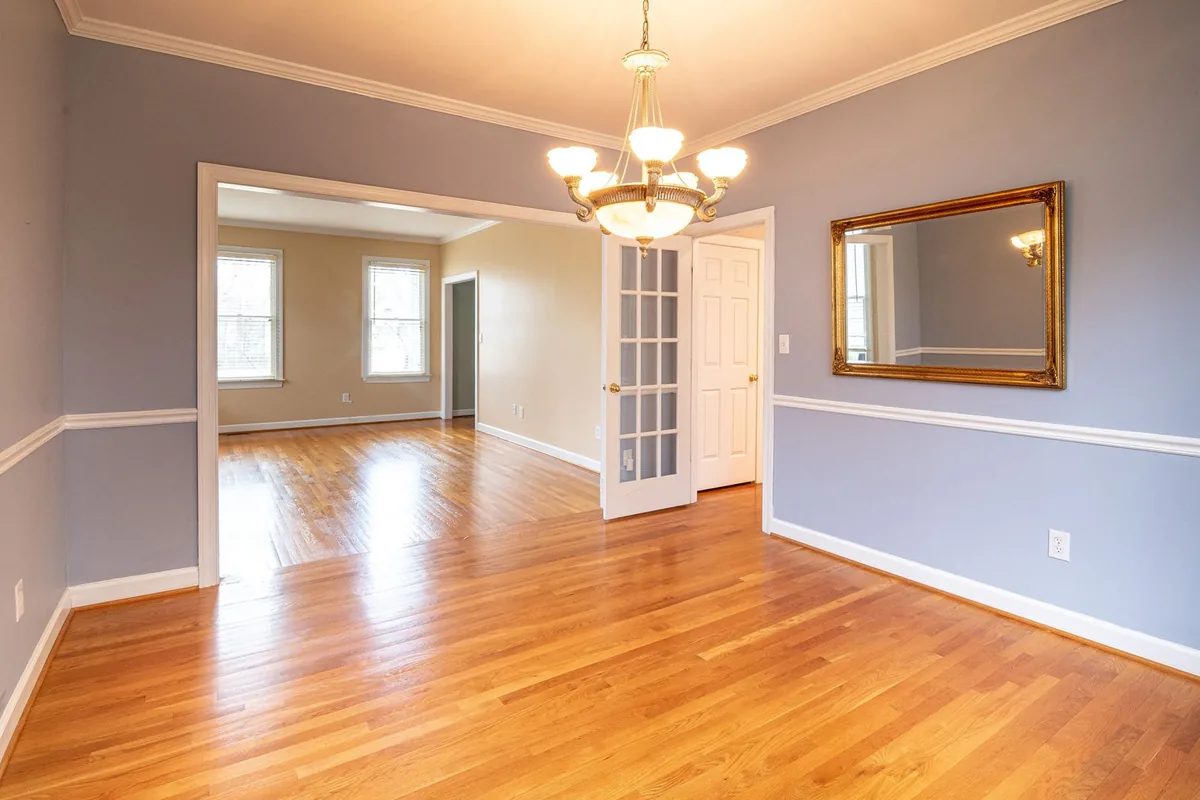
Tear gas cleanup, also called tear gas removal, is the process of finding where irritant particles settled, removing them with the right products and checking that the space is safe to enter again.
For irritant residue removal in Kirtland and nearby areas of Lake County, call Kirtland Biohazard Cleanup Help. You and the crew sort soft goods together, clean what can be saved and dispose of what cannot.
Only about 24% of households in Lake County rent, so most tear gas cleanups are booked by homeowners and their insurers. July highs near 82 degrees in Kirtland are milder, but heating and cooling systems still move residue through ducts.
What tear gas & pepper spray cleanup covers:
Everyone leaves the space first. The crew then tests it to find where residue settled, including vents and soft goods.
Crews place protective sheeting and barriers and bring in the equipment and supplies for containment.
Hard surfaces are decontaminated, soft goods are treated or removed and the air system is cleaned.
A final inspection and a set of records finish the job, so tenants or staff can return.
Expect tear gas & pepper spray cleanup in Kirtland, OH to cost roughly $1,500 to $50,000, with the final price set after an on-site assessment.
Soft goods add labor and disposal costs, because carpet, curtains and furniture may need removal rather than cleaning.
| Type of job | Typical range |
|---|---|
| Small apartment | $1,500 - $4,000 |
| Single-family home | $3,000 - $10,000+ |
| Commercial property | $10,000 - $50,000+ |
Estimates only, not a quote. Sources: Tear gas cleanup cost guide. Price drivers include property size, air system involvement, materials affected, time since exposure. Call (877) 812-4220 to talk through the job.
Not reliably. Vinegar and bleach do not neutralize these agents, and mixing products can release harmful fumes. Plain water can spread residue. Fresh air and professional removal work better.
Tell the landlord or property manager right away. The lease and local law decide who pays. A landlord, an attorney or a tenant rights group can explain.
The cost depends on the size of the area, the type of agent, how much soft furniture and carpet was reached and whether the air system ran. The cleanup team sets its price after seeing the space.
Small incidents with little residue may clear with fresh air. For anything larger, it is risky because residue is hard to see and wiping can spread it. A professional crew uses protective gear and checks the result.
Get to fresh air, take others and pets with you, and keep everyone out of the space. Do not hose it down or mix cleaning products. If anyone has trouble breathing, call 911 or Poison Control.
Rules for hazardous residue vary by state, county and city. Waste may need special handling and cannot always go in the regular trash. Ask the local health department or fire department what applies.
Careful removal of residue that fresh air alone cannot clear.
Call (877) 812-4220